High Blood Pressure Symptoms You Should Never Ignore
High blood pressure (hypertension) is one of the most common health problems, but many people don’t realise they have it. Unlike several other health conditions, hypertension often develops without causing any noticeable symptoms. A person may feel perfectly fine while their blood pressure remains higher than it should be.
In some situations, severely elevated blood pressure can be accompanied by symptoms such as a severe headache, blurred vision, chest pain or difficulty breathing. Knowing when to seek medical help and getting your blood pressure checked regularly can help you avoid serious complications.
What Is High Blood Pressure?
Blood pressure refers to the force with which blood moves through your arteries. When this pressure stays higher than normal over time, the condition is known as hypertension.
When you get your blood pressure checked, the reading consists of two numbers:
- ✅ Systolic pressure: The upper number, which measures the pressure in your arteries when your heart beats.
- ✅ Diastolic pressure: The lower number, which measures the pressure when your heart rests between beats.
For example, a reading of 120/80 mmHg means the systolic pressure is 120 and the diastolic pressure is 80. When blood pressure remains high and is not properly managed, it can gradually affect the heart, kidneys and blood vessels, increasing the risk of heart disease and stroke.
How Is High Blood Pressure Diagnosed?
The only reliable way to know whether you have high blood pressure is to measure it using a blood pressure monitor. You cannot depend on how you feel because hypertension often causes no obvious symptoms.
A single high reading does not always mean you have hypertension. Your doctor may recommend checking your blood pressure on different occasions or using a home blood pressure monitor to understand whether it stays elevated. These readings help determine whether treatment or further evaluation is needed.
Common High Blood Pressure Symptoms
One reason hypertension often goes unnoticed is that most people don’t experience any symptoms in its early stages. They may discover the condition during a routine health check or a medical consultation for an unrelated problem.
When blood pressure becomes severely elevated, some people may experience symptoms such as:
- ✅ Severe or unusual headaches
- ✅ Dizziness or lightheadedness
- ✅ Blurred vision or sudden changes in eyesight
- ✅ Chest pain or tightness
- ✅ Shortness of breath
- ✅ Nausea or vomiting
- ✅ Unusual confusion or weakness
It’s important to remember that these symptoms can have several causes and do not automatically indicate high blood pressure. A blood pressure measurement and proper medical assessment are needed to understand what is happening.
7 Symptoms You Should Never Ignore
Although high blood pressure usually has no noticeable warning signs, certain symptoms deserve attention, particularly when they appear suddenly or occur alongside a very high blood pressure reading.
1. Frequent or Severe Headaches
A severe headache can sometimes occur when blood pressure becomes extremely high. However, having a headache does not necessarily mean your blood pressure is elevated. If you experience a sudden, unusually severe or recurring headache, speak with a healthcare professional to find out what is causing it.
2. Dizziness or Lightheadedness
Feeling dizzy or lightheaded can happen for many reasons, including dehydration, low blood pressure or certain medical conditions. If these episodes keep happening, especially alongside other unusual symptoms, it’s worth getting checked rather than assuming they are related to hypertension.
3. Blurred Vision
Very high blood pressure can affect the small blood vessels in the eyes and cause damage to the retina. This may lead to blurred vision or other changes in eyesight. Sudden vision changes should never be ignored and need prompt medical assessment.
4. Chest Pain or Tightness
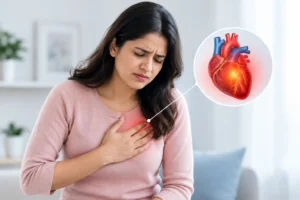
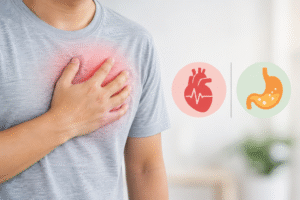
Chest pain or pressure can be a warning sign of a serious heart problem. High blood pressure puts additional strain on the heart over time, which can increase the risk of cardiovascular disease. If you experience new or unexplained chest pain, seek emergency medical care rather than waiting for it to settle.
5. Shortness of Breath
Getting out of breath more easily than usual, or struggling to breathe even while resting, may point to a heart or lung problem. Severe breathing difficulties require immediate medical attention, especially when accompanied by chest discomfort or a very high blood pressure reading.
6. Racing or Irregular Heartbeat
Some people notice that their heart suddenly starts racing, pounding or beating irregularly. These sensations are known as palpitations and can have several possible causes. If they happen frequently, last longer than usual or occur with dizziness, chest pain or breathlessness, consult a doctor.
7. Nosebleeds
Nosebleeds are sometimes associated with severely elevated blood pressure, but they are not a dependable sign of hypertension. Dry air, irritation and other conditions can also cause them. Repeated or unexplained nosebleeds should be discussed with a healthcare professional.
Why Is High Blood Pressure Called a Silent Killer?
High blood pressure has earned the name “silent killer” because it can affect the body for years without causing any obvious discomfort. Someone with hypertension may continue with their daily routine without realising that their blood vessels and vital organs are under increased pressure.
Over time, uncontrolled hypertension can lead to several health problems, including:
- ✅ Heart disease and heart failure
- ✅ Stroke and damage to blood vessels in the brain
- ✅ Kidney damage or kidney disease
- ✅ Vision problems and damage to the eyes
- ✅ Damage and narrowing of the arteries
The difficult part is that these complications may develop even when a person feels healthy. This is why routine blood pressure checks matter. They can help identify hypertension before it causes more serious damage.
What Causes High Blood Pressure?
There isn’t always one specific reason why someone develops high blood pressure. In many cases, a combination of family history, daily habits, age and existing health conditions contributes to the problem.
Some common risk factors include:
- ✅ Eating too much salt
- ✅ Not getting enough physical activity
- ✅ Being overweight or obese
- ✅ Having a family history of hypertension
- ✅ Smoking or using tobacco products
- ✅ Drinking excessive amounts of alcohol
- ✅ Having diabetes or kidney disease
- ✅ Getting insufficient sleep
- ✅ Increasing age
High blood pressure isn’t just a concern for older people. Younger adults can develop it too, particularly when they have certain risk factors. Getting your blood pressure checked as part of routine healthcare is a sensible habit at any age.
When Does High Blood Pressure Become an Emergency?
A blood pressure reading higher than 180 mmHg systolic and/or 120 mmHg diastolic is considered severely elevated. However, the level of urgency depends on whether you are experiencing symptoms along with the high reading.
Severely High Blood Pressure Without Symptoms
If your blood pressure reaches this level but you feel well and have no concerning symptoms, wait at least one minute and check it again. If the second reading remains this high, contact a healthcare professional immediately for guidance. Do not ignore the reading, even if you feel normal.
When It Becomes a Medical Emergency
When severely elevated blood pressure is accompanied by symptoms that may indicate damage to the heart, brain or other organs, it could be a hypertensive emergency. This requires immediate medical attention.
Watch for warning signs such as:
- ✅ Chest pain or pressure
- ✅ Difficulty breathing
- ✅ Sudden weakness or numbness
- ✅ Sudden changes in vision
- ✅ Severe or unusual headache
- ✅ Difficulty speaking or confusion
Important: If you experience any of these symptoms with a very high blood pressure reading, seek emergency medical care immediately. Do not wait for another measurement or for the symptoms to disappear. If these symptoms occur even without a blood pressure reading, they still require urgent medical assessment.
Remember, severely elevated blood pressure without symptoms and a hypertensive emergency are not the same condition. In both situations, timely medical assessment is important to reduce the risk of serious complications.
How Can You Control High Blood Pressure?
Managing high blood pressure often involves making changes to everyday habits. These changes may not produce results overnight, but following them consistently can help improve blood pressure control and support heart health.
- ✅ Reduce the amount of salt you add to your meals and limit high-sodium packaged foods.
- ✅ Eat more fruits, vegetables and whole grains as part of a balanced diet.
- ✅ Follow a heart-healthy eating plan, such as the DASH diet, if recommended by your healthcare professional.
- ✅ Make time for regular physical activity, according to your health and fitness level.
- ✅ Work towards maintaining a healthy body weight.
- ✅ Avoid smoking and other tobacco products.
- ✅ Limit alcohol consumption.
- ✅ Maintain a regular sleep routine and get enough rest.
- ✅ Monitor your blood pressure at home or during routine health visits.
- ✅ Take prescribed blood pressure medicines as directed by your doctor.
One important thing to remember is that lifestyle changes do not always replace medication. If your doctor has prescribed blood pressure medicines, continue taking them as advised. Never stop or change your dosage without medical guidance.
When Should You Consult a Cardiologist?
You don’t have to wait until you experience symptoms to seek medical advice about your blood pressure. A consultation may be helpful if:
- ✅ Your blood pressure readings are repeatedly higher than recommended.
- ✅ High blood pressure runs in your family, particularly alongside a history of heart disease.
- ✅ You have diabetes or kidney disease along with elevated blood pressure.
- ✅ You experience recurring palpitations or unexplained breathlessness.
- ✅ You have already been diagnosed with hypertension and need ongoing monitoring.
A cardiology consultation at Backbone Medicity Hospital, Rajkot, can help assess your cardiovascular health and determine whether further investigations or treatment are needed. The right approach depends on your blood pressure readings, medical history and overall health.
Frequently Asked Questions
What are the first symptoms of high blood pressure?
Most people don’t experience any early symptoms of high blood pressure. It is often discovered during a routine check-up. When blood pressure becomes severely elevated, symptoms such as severe headaches, blurred vision or chest discomfort may occur, but they are not reliable signs on their own.
Can high blood pressure occur without symptoms?
Yes. In fact, this is very common. A person can have high blood pressure for years without feeling unwell. Regular blood pressure measurements are the best way to find out whether your readings are within a healthy range.
Can high blood pressure cause headaches?
Severely elevated blood pressure can sometimes be accompanied by headaches. However, most headaches are not caused by hypertension, and a headache alone cannot confirm that someone has high blood pressure. A blood pressure measurement is needed to check.
What blood pressure reading is dangerous?
A reading higher than 180 mmHg systolic and/or 120 mmHg diastolic is severely elevated. Wait at least one minute and repeat the measurement. If it remains this high, seek immediate medical guidance. If you also experience chest pain, breathing difficulties, sudden weakness, vision changes or difficulty speaking, seek emergency medical care immediately.
Can young adults have high blood pressure?
Yes. High blood pressure can affect young adults too. Family history, excess body weight, high salt intake, physical inactivity and certain medical conditions can increase the risk. This is one reason regular health checks are useful even at a younger age.
Which doctor should I consult for high blood pressure?
A primary care doctor can help diagnose and manage high blood pressure. A cardiologist may also be involved, particularly if you have other heart-related risk factors, cardiovascular symptoms or complications that need further evaluation.
Cardiology Care at Backbone Medicity Hospital, Rajkot
High blood pressure is easy to overlook when you feel perfectly healthy. However, keeping it under control is important for protecting your heart, kidneys and blood vessels over the long term.
At Backbone Medicity Hospital, Rajkot, patients can seek cardiac evaluation and medical guidance through the Cardiology Department.
If your blood pressure readings are consistently elevated, or you have concerns about your heart health, consider arranging a consultation with a cardiologist. Getting the right advice early can help you make informed decisions about your health.
Book a Cardiology Appointment at Backbone Medicity Hospital for a medical evaluation and guidance on managing your heart health.
Key Takeaways
Core Symptoms
- Chest pain and discomfort
- Shortness of breath
- Fatigue and dizziness
- Irregular heartbeat
Prevention Tips
- Regular exercise and healthy diet
- Avoid smoking and limit alcohol
- Manage stress and blood pressure
- Regular health check-ups
Important Facts
- Heart disease causes 1 in 4 deaths
- 80% of heart diseases are preventable
- Over 17 million deaths annually
- Early detection saves lives
Related Articles

Your Health Journey Starts Here
Our team of specialists is dedicated to providing personalized care tailored to your unique needs. Schedule a consultation today and take the first step toward better health.